TEDxUGA 2015: Plus
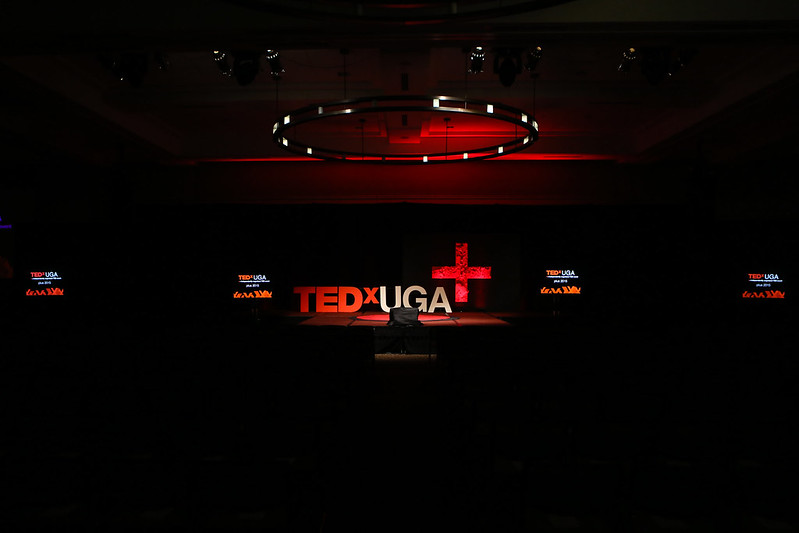
In 2015, we introduced Plus to the TEDxUGA community. Why Plus? Do the math. The University of Georgia is an ever-growing institution saturated with innovative and creative thinkers ready to spread their ideas beyond campus and add to the global good. Always improving. Always expanding. The status quo is merely a starting point for UGA students, staff, faculty, and alumni. Campus provides a temporary home for their ideas to grow before introduction into the global formula. The 2015 event celebrated the contributions of our presenters and their ideas as they explored UGA’s Plus.
Sonia Altizer
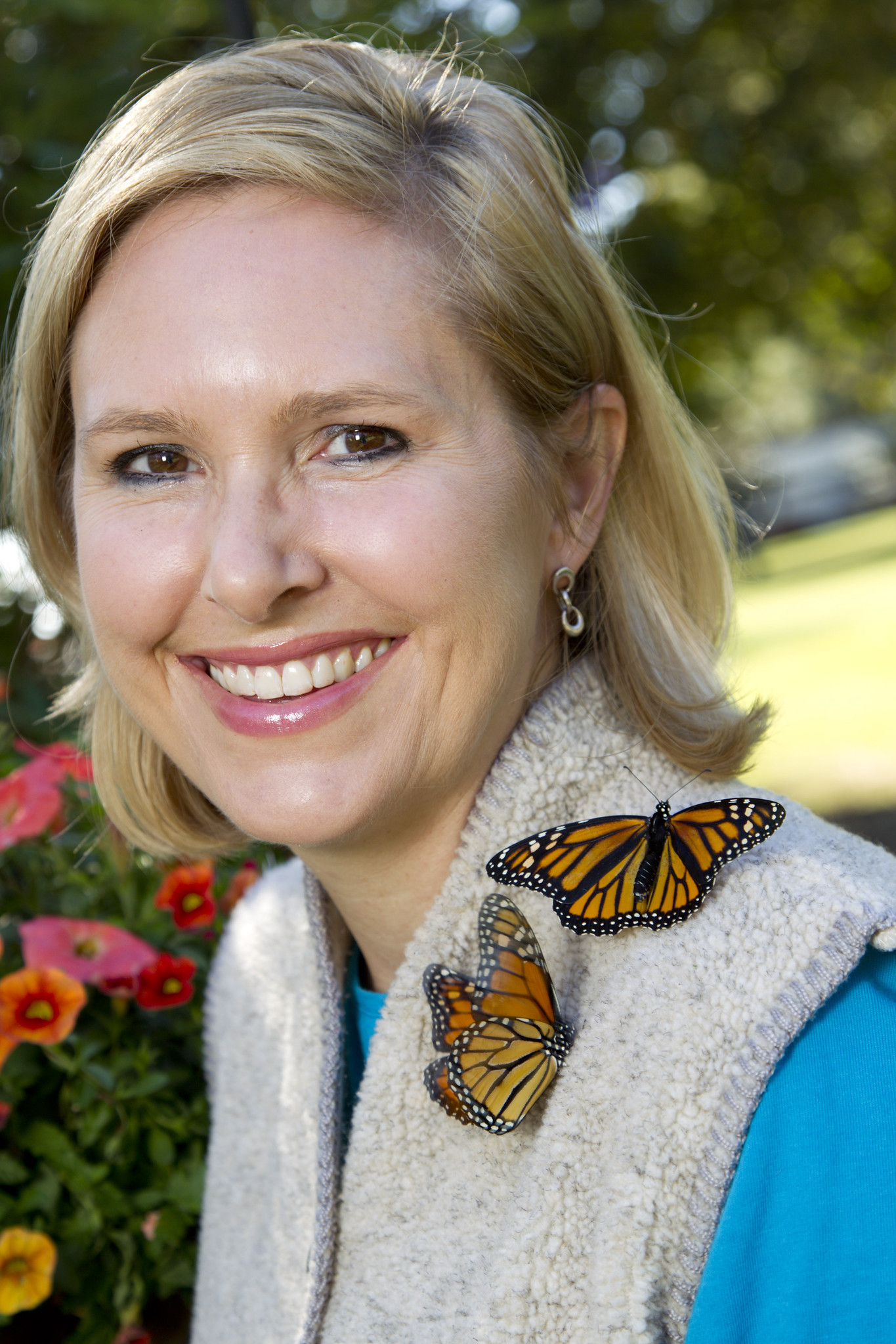
Dr. Sonia Altizer is a professor in the Odum School of Ecology and Associate Dean of Academic Affairs. For the past 20 years, she has traveled the world studying monarch butterfly migration and ecology. In recent years, she has witnessed how the number of monarchs have dwindled. Her students run a citizen science project called “Monarch Health,” now in its eighth year, that involves hundreds of volunteers across North America in sampling wild monarchs for diseases. Dr. Altizer’s main research also focuses on how pathogens affecting wildlife are shifting in response to human environmental change, specifically on diseases that affect bats, birds, rodents, and wild primates. In her talk, Dr. Altizer emphasizes the importance of the Monarch butterfly and encourages activities that could help save this beloved insect.
Dawn D. Bennett-Alexander
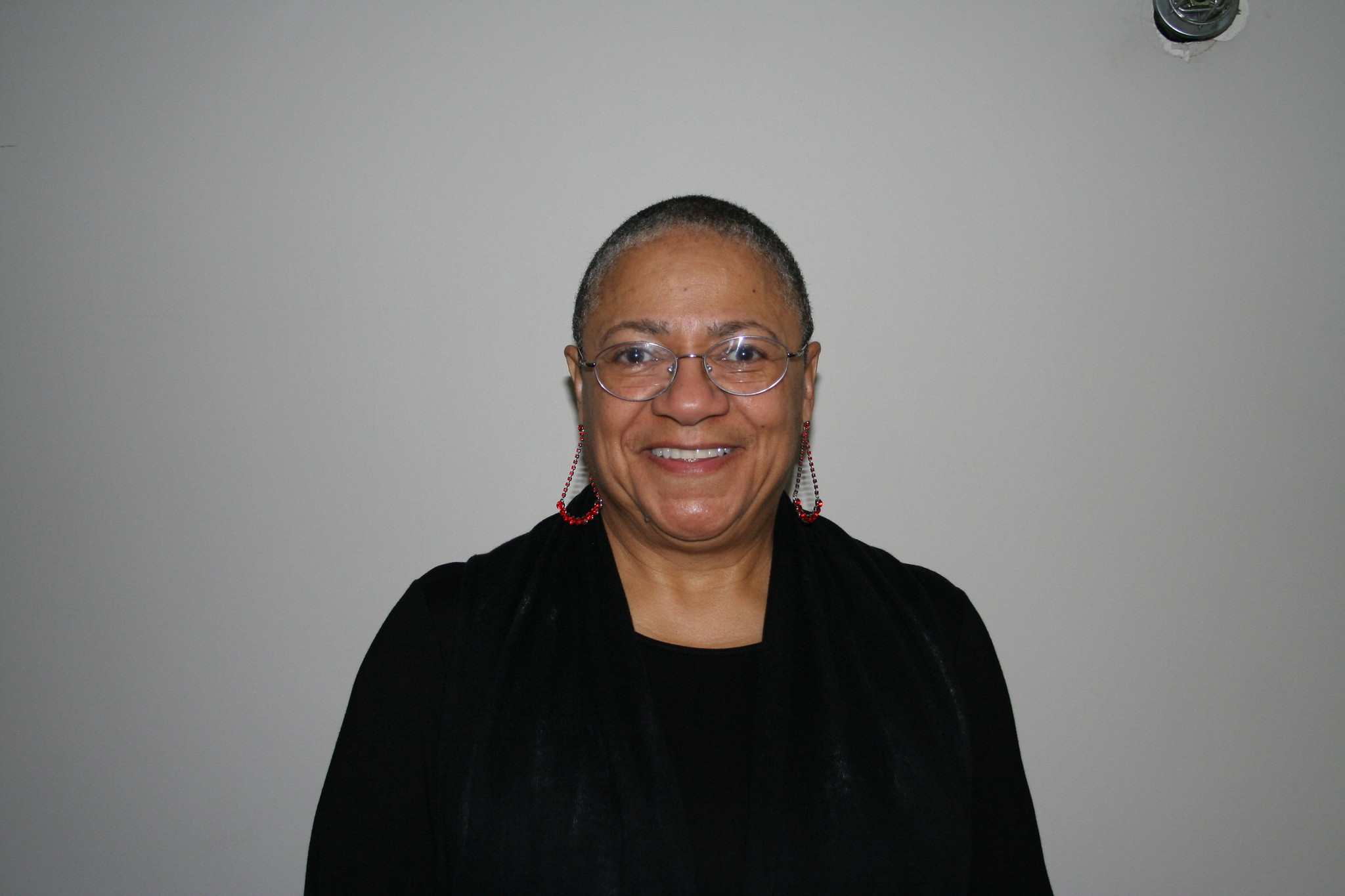
Dr. Dawn Bennett-Alexander is a lawyer, an associate professor of Employment Law and Legal Studies, and co-author of the leading employment law text in the country. She is passionate about truly understanding what diversity means and how to operationalize it. Her life work is based on her belief that each of us is here for a unique purpose, and we come with the tools to accomplish it. She believes that part of her mission is helping people to understand that the differences we have should not be perceived as deeming us “less than” in any way, and that concentrating on those differences keeps individuals from doing what they were destined to do. In her talk, she emphasizes that with a little effort, we can move diversity and inclusion from theory to practice.
John Drake
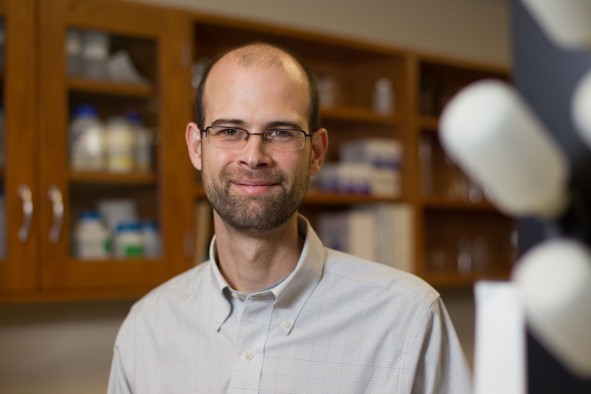
Dr. John Drake is an associate professor in the Odum School of Ecology. He received his PhD from the University of Notre Dame in 2004 and began teaching after finishing his Postdoctoral Fellowship at the National Center for Ecological Analysis and Synthesis in Santa Barbara in 2006. His research seeks to understand the dynamics of biological populations and epidemics, focusing on the integration of theory and experimental or observational data. The practical applications of Dr. Drake’s work include decision support for managing invasive species, mapping the spread of infectious diseases, and forecasting disease emergence. In his talk, Dr. Drake shares his innovative solution for predicting when an outbreak will occur, and explains how sometimes the greatest ideas can come from the most unlikely of places.
Han Park
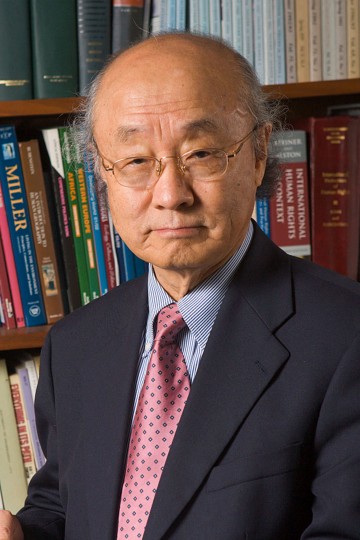
Dr. Han Park, who has been a celebrated faculty member of the University of Georgia for nearly half a century, is a professor of Political Science and the founding director of the Center for the Study of Global Issues. Dr. Park developed a lifelong commitment to peace studies after living in the war-torn areas of China and Korea. As a peace scholar and mediator with the mission of building peace surrounding the Korean peninsula, Dr. Park has visited North Korea approximately fifty times since the eruption of the nuclear crisis in early 1990s to facilitate dialogue and mediate differences between Pyongyang and the rest of the world. In his talk, Dr. Park’s insight as a global negotiator presents us with an invitation to rethink our idea of what peace looks like, and encourages people to view peace as an action, not the absence of conflict.
Myriam Quispe-Agnoli
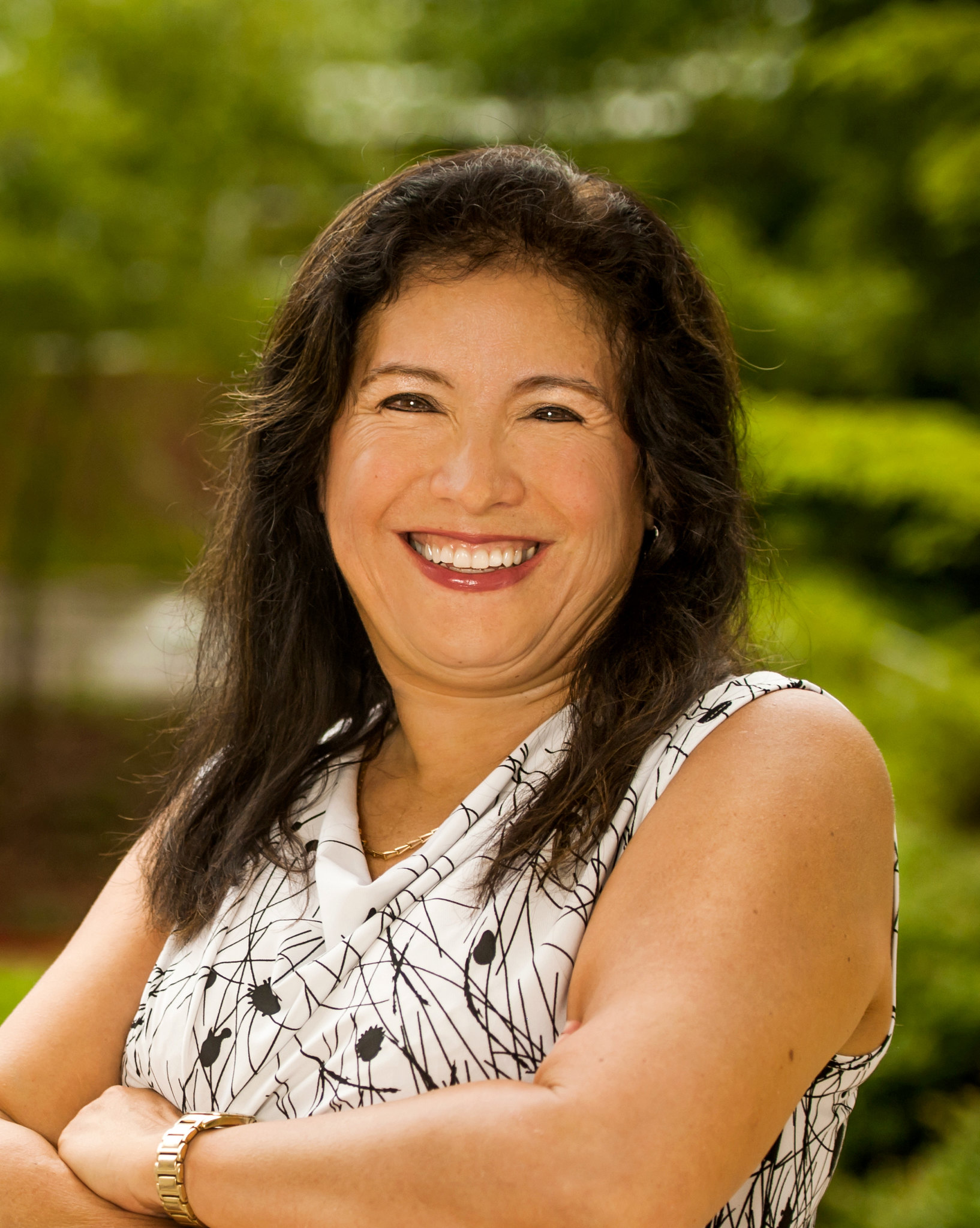
Dr. Myriam Quispe-Agnoli, a native of Lima, Peru, is a faculty member in the Department of Economics. Previously, she was a research economist and assistant policy advisor in the research department at the Federal Reserve Bank of Atlanta. Her fields of specialization are international economics, trade and finance, open macroeconomics, and economic development. Dr. Quispe-Agnoli has published her research in various journals, including Journal of Policy Analysis and Management, Journal of Regional Science, Southern Economic Journal, American Journal of Public Health, and Contemporary Economic Policy. Her research has also appeared in several books. In her talk, Dr. Quispe-Agnoli strives to make economics an approachable subject so that everyone can understand the effect they have on the economy around them.
Michelle Blue
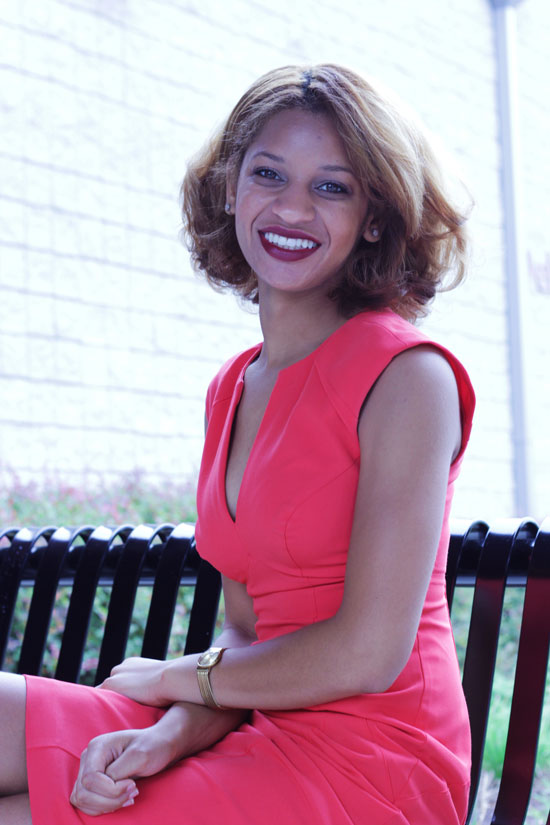
Michelle Blue is the co-founder of Bené, a fashion collection committed to the development and empowerment of young women. She graduated from Terry College in 2013 where she studied Business Marketing and Fashion Merchandising. While she was a student, Michelle served as a Terry Ambassador, was part of the Student Alumni Council, worked in University Housing as a C.L.A.S.S. Advocate, and was a Resident Assistant. Through their partnership with Sista Works, Bené has been able to provide girls in Ghana with the opportunity to continue their secondary education by sponsoring their tuition, books, supplies, uniforms, and fees. In her talk, Michelle shares how her career plans majorly shifted while she was in college, and emphasizes how experiences that garner change are undoubtedly fear inducing, but they can also make us realize that we are destined for greater things than we could have ever imagined.
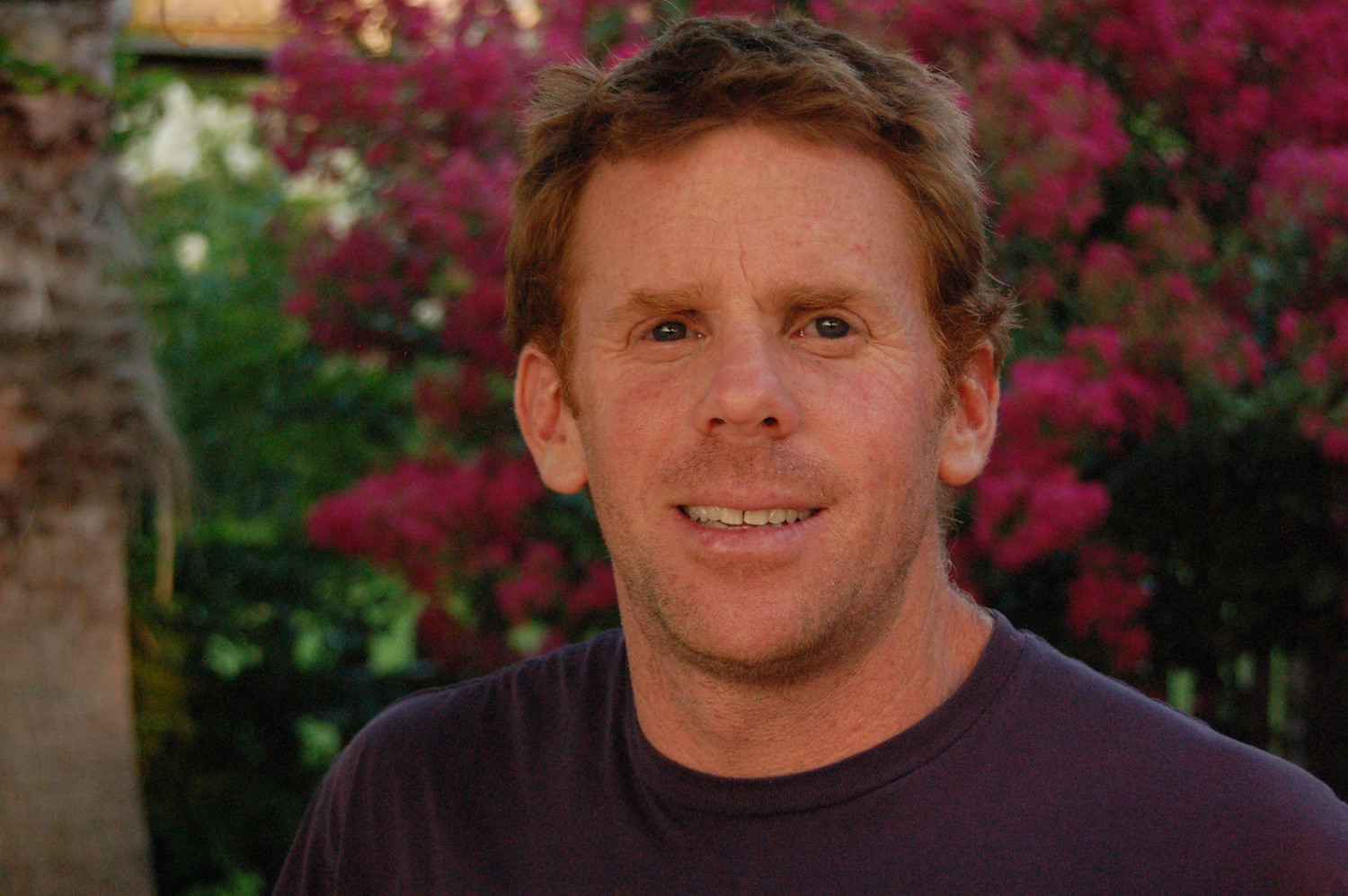
Chris Dixon
Chris Dixon is the founding online editor of Surfer Magazine and the author of Ghost Wave: The Discovery of Cortes Bank and the Biggest Wave on Earth. He is a published author and editor who graduated in 1992 with an MA in Mass Communication. His work has also appeared in two New York Times bestsellers: The New York Times’ 36 Hours in the USA and Canada and The Southerner’s Handbook. His writing also appears in Garden & Gun, Outside, Men’s Journal, Surfer, Surfer’s Journal and on thescuttlefish.com, where he is an editor. Recently, he also served as a judge on ESPN’s documentary series Big Wave Hellmen. Chris believes that by diving deeply into stories, it’s possible to find unexpected tales. In his talk, Chris gives us insight into the art of storytelling and what it says about human nature.
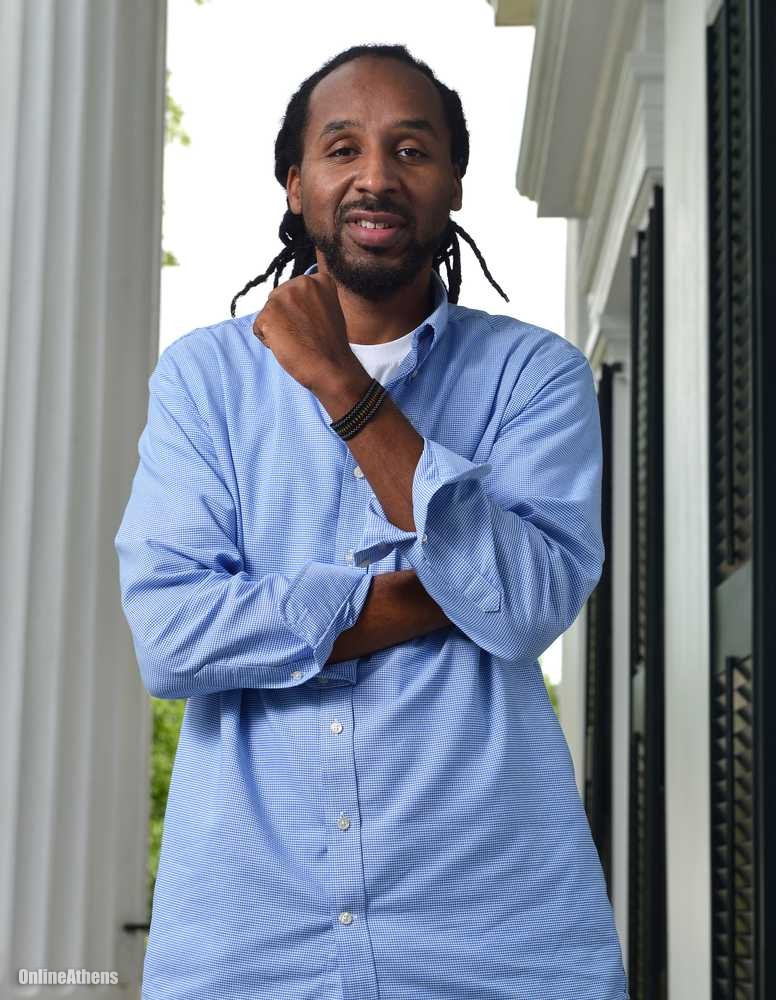
Lemuel LaRoche
Lemuel “Life” LaRoche is the founder and executive director of Chess and Community Conference, Inc., a nonprofit youth empowerment organization dedicated to developing strategic leadership skills in young people. He uses therapeutic methods to curb impulsive behavior amongst youth with delinquent pasts. He has over fifteen years experience in adolescent and community development and brings an innovative approach to counseling. He holds a master’s degree in Social Work and has over fifteen years experience in adolescent and community development. He is also internationally renowned for his poetry which he uses as a tool for empowerment, reconditioning, and community outreach. He is the author of the books, Tree of Life: The Human Ascension and Hidden Ripples: Life’s Unspoken Language. In his talk, Lemule speaks about how he believes that he has found the key to redemption, and it lies within the age-old game of chess.
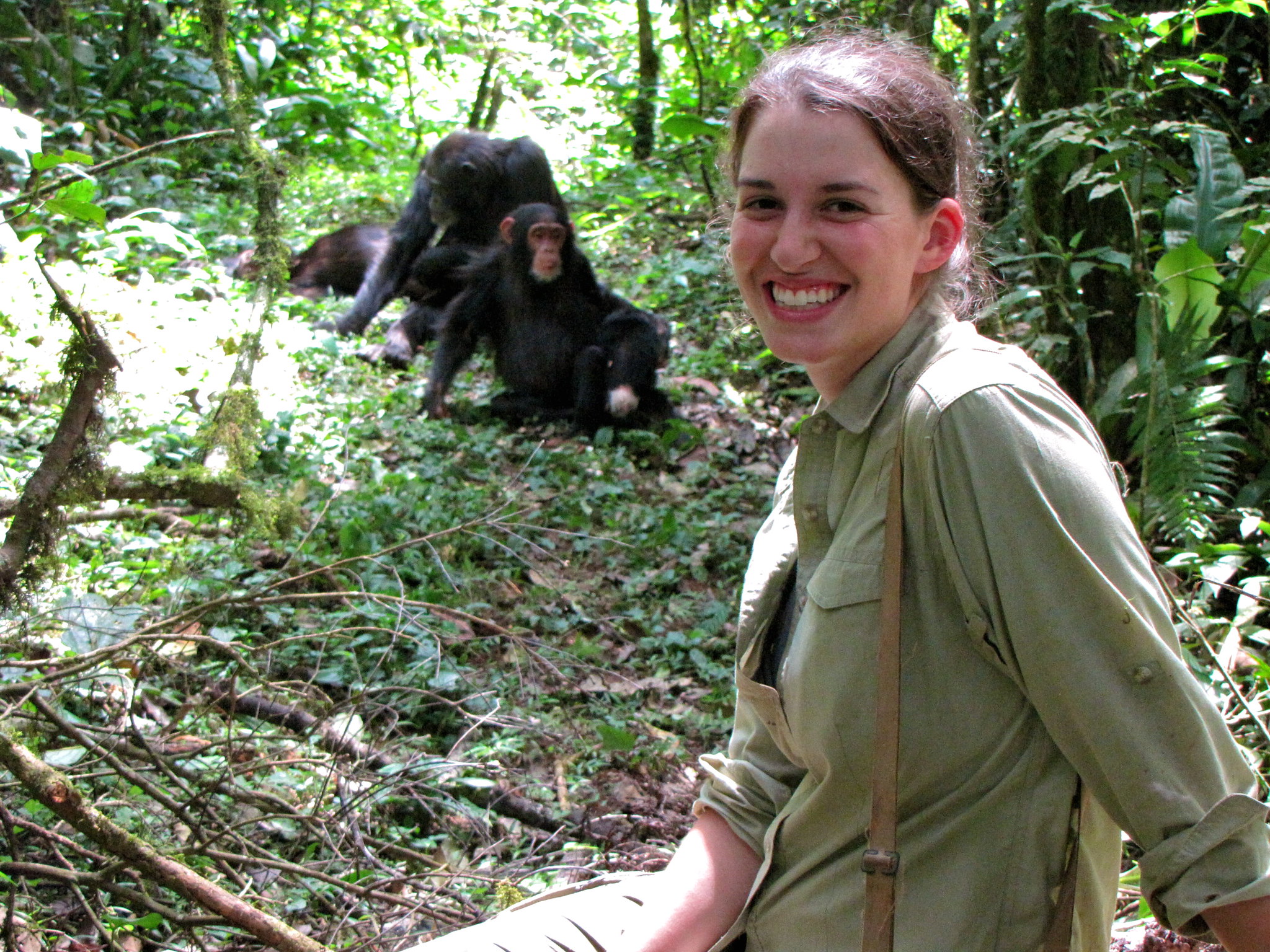
Julie Rushmore
Dr. Julie Rushmore completed her PhD in the Odum School of Ecology in 2013 and is now a veterinary student in the College of Veterinary Medicine. Dr. Rushmore studies the interface of public health, disease ecology, and wildlife conservation. In 2006, she graduated from Duke University, where she spent hundreds of hours observing and researching lemur behavior at the Duke Lemur Center. After taking a year away from school to conduct field research in Madagascar and learn lab techniques, Dr. Rushmore entered UGA’s DVM/PhD program where she is receiving training in veterinary medicine and disease ecology. Her research focuses on behavioral and ecological factors that affect pathogen transmission dynamics in wild great apes. In her talk, she expresses how understanding how diseases spread through a network will help us prevent epidemics in our own communities.
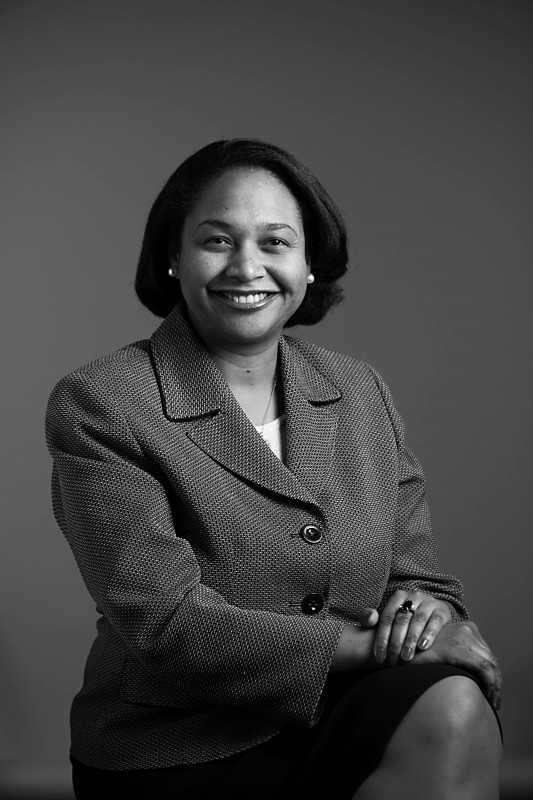
Lisa Taylor
Lisa Taylor is a civil rights attorney at the Department of Justice and a 2001 graduate of the School of Law. Lisa has settled multiple high-profile cases across the country, most of which focus on education and racial issues. In addition to her education-based cases, she has also enforced the Americans with Disabilities Act and investigates claims of discrimination in employment, education, and hospitals throughout the country. Her recognitions include the Presidential Medal for Service, Nation’s Best Advocates: 40 Lawyers Under the Age of 40, and a Harvard Law School Wasserstein Fellowship. Her current work focuses on ensuring that recipients of federal financial assistance do not violate the civil rights of others. Lisa is a former Naval Officer, serving in the Engineering Division on-board the USS Tarawa where she worked alongside the Executive Officer to develop the ship’s first anti-harassment policy. In her talk, she reinforces the belief that everyone has the power to lead where they are, and that everyone has a duty to share greatness.
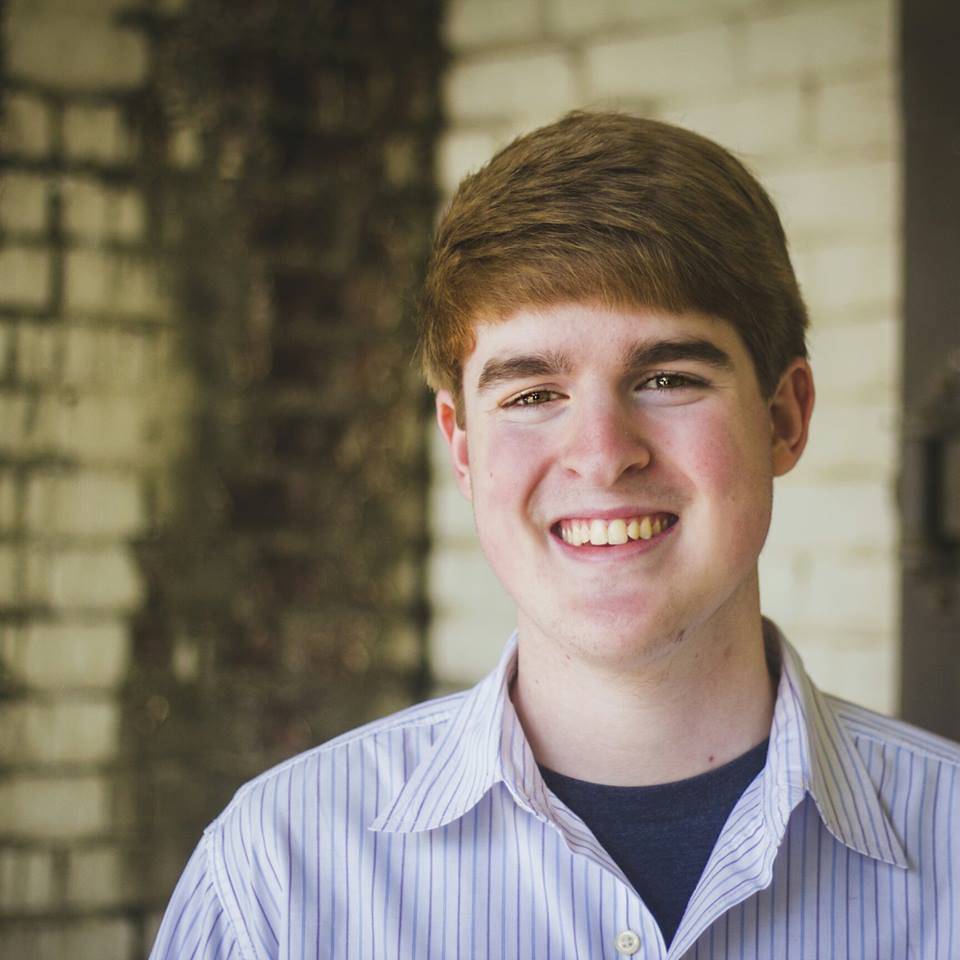
Michael Bottone
Michael Bottone is an honors student studying Computer Science and working towards both his bachelor’s and master’s degrees. When not in class, he develops software for several startup companies working out of Four Athens (Vitamin C and Rivalry Technologies). Michael and his team also won the 2015 VTHacks hackathon with their low cost and efficient automated telescope. He has been coding for twelve years and has always been fascinated by computers and technology. In his talk, Michael highlights that technical literacy is an important and necessary skill for a safe and efficient life, and he strives to find a way in which everyone can achieve technical literacy.
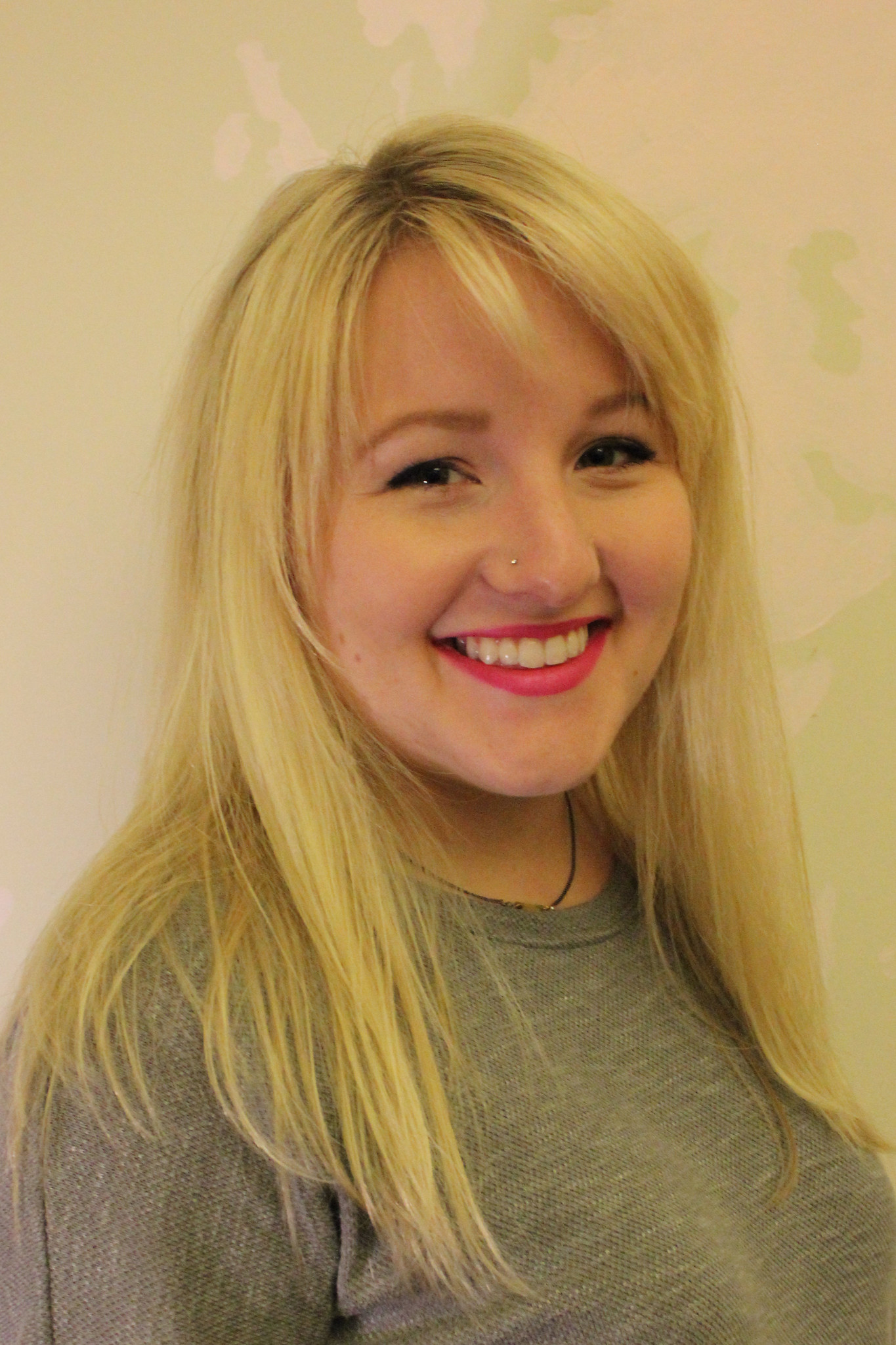
Emily Hiers
Emily Hiers is a Fabric Design and Theatre double major. After attending a National Leadership Conference in high school, she became dedicated to changing the way her peers spoke about people with differences. Emily shares the story of her sister and her disability to encourage people to refrain from using offensive language when referring to people that society deems as “different”. She sees a world where there is no room for hate speech in modern vocabulary, she believes that we can instead use language to create a society of acceptance and inclusion. In her talk, Emily’s main goal is to share the importance of speaking positively to one another.
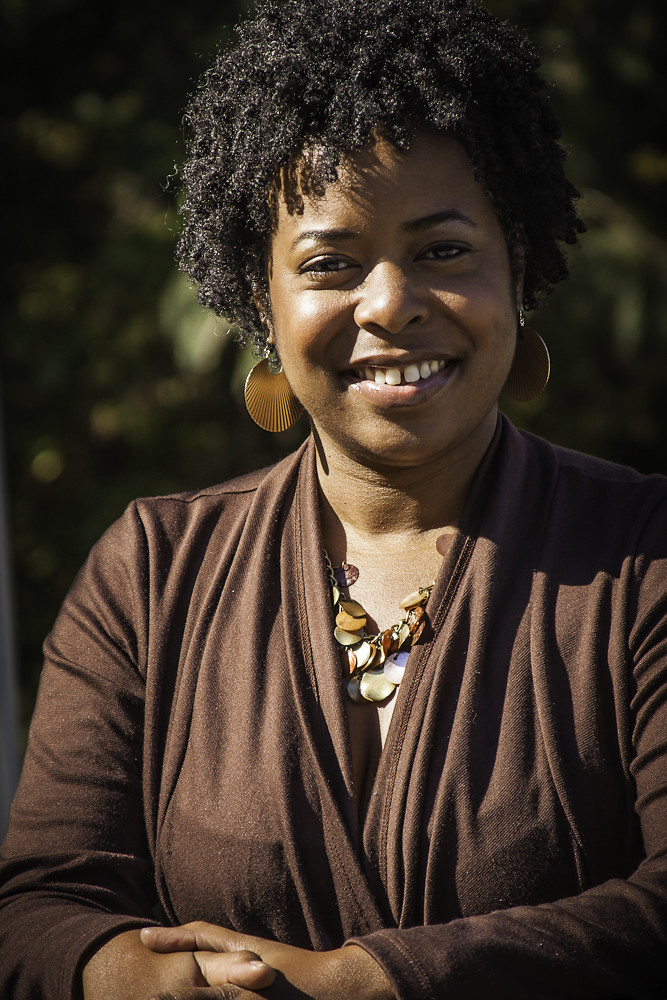
Stephanie Jones
Stephanie Jones is an award-winning English educator and graduate assistant in the department of Language and Literacy Education. Her research focuses on the ways in which African American women engage with literacies inside and outside of the classroom, and specifically how those literacies can help shape culturally relevant and engaging pedagogy and curriculum for the secondary classroom. Stephanie has written an op-ed for the Atlanta Journal-Constitution and Language and Literacy Education Journal and has done consulting work on behalf of The CLASSroom Project. In her talk, she examines how when it comes to reading, students and teachers are rarely on the same page, and she explains how we can use books to open conversations about real-life issues.
Connor Lewis
Connor Lewis is a Marketing major from Kennesaw. As a student, he has been a Southern Tide Campus Ambassador for five semesters, won four consecutive All-Campus Ultimate Frisbee championships, and runs his own logo/t-shirt design company. With a father in the field of aerospace engineering and a mother in interior design, he hopes to find a career path that balances his upbringing in both technology and design. Connor encourages people to look to the night sky with hope rather than fear. In his talk, he encourages people to put hope in NASA as space travel may become a necessary component for survival.
Leon Tsao
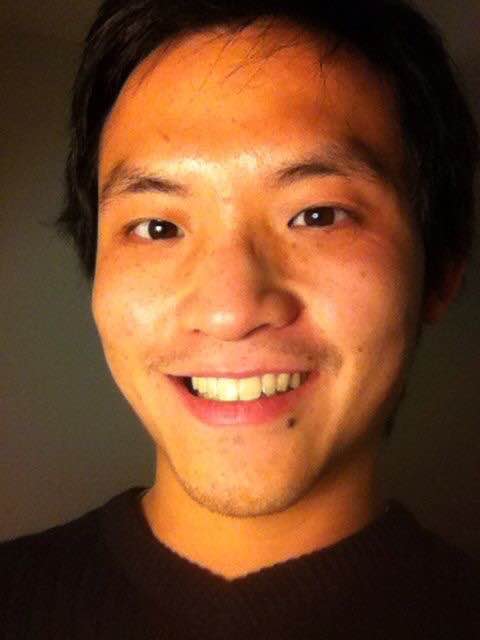
Leon Tsao is a graduate student in the Gifted and Creative Education Program. He works under the advisement of Dr. Bonnie Cramond on neurodiversity advocacy – the idea that we should appreciate the diversity in people’s brains without shunning differences – finding the relationship between ADHD and creativity, and identifying the needs of philosophically gifted students. He is working on a book made up of a series of artfully composed short essays and poems about discovering the inner self. By sharing an Eastern perspective on our Western concept of creativity, Leon Tsao’s talk emphasizes the importance of achieving a balance between the two.
dangfly!
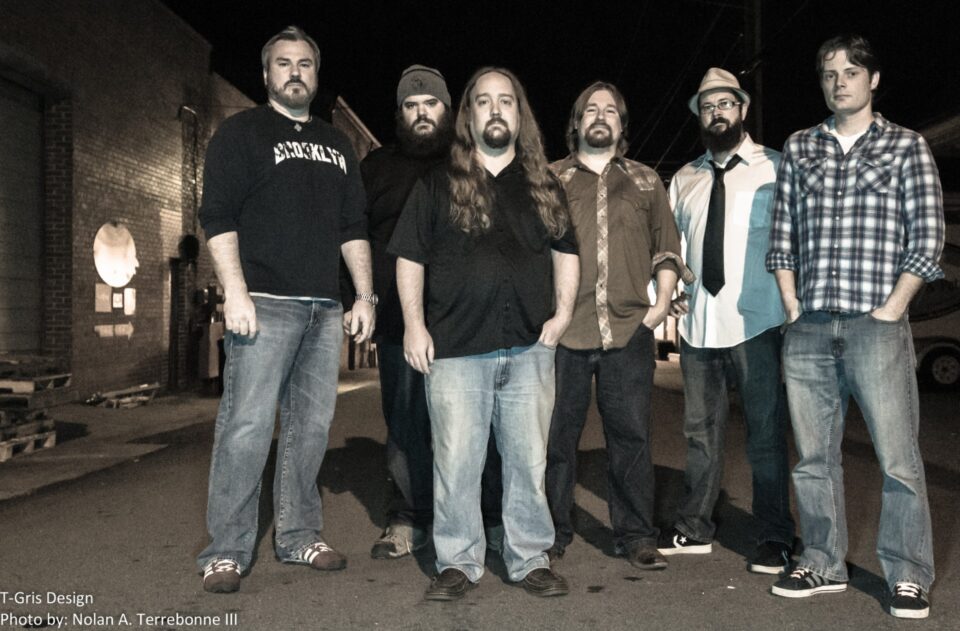
dangfly! Is a pop rock band based in Athens. Adam Payne formed the group in 2010 after an extensive solo career and front man for the Adam Payne Band. “Good Luck, Curiosity” released in 2013 as the group’s first record. Also in 2013, dangfly! appeared on an AthFest music sampler. The band’s current lineup includes original members Adam Payne (songwriter/lead vocals/guitar), Shawn Johnson (percussion), Jay Rodgers (bass), Adam Poulin (fiddle), Scotty Nicholson (keys/guitar) and Ben Whitener (trumpet). The unique friendship and musical stylings of dangfly! continuously captivates the community around them.